by Ecotourism Australia | Jun 29, 2022 | Article, Media Release
Western Australia’s incredible natural attractions that attract visitors from around the world will be protected for years to come with improved auditing standards for nature-based tourism operators.
Today’s announcement by Western Australia’s Minister for Environment, Hon. Reece Whitby and Minister for Tourism, Hon. Roger Cook, ensures that those operators offering nature-based experiences need to meet Ecotourism Australia’s globally recognised certification standards as part of their state government accreditation.
Streamlining the audit process for protected areas and national parks with Ecotourism Australia’s certification will not only make it easier for certified tourism operators, but will ensure that these natural attractions are protected for future generations due to our high standards of nature-based and ecotourism experiences.
“Ecotourism Australia is pleased to be recognised by the West Australian Government for our high certification standards and look forward to recognising those businesses offering eco and nature-based tourism” said Elissa Keenan, CEO Ecotourism Australia.
“Our program is the world’s longest running ecotourism certification and is designed to assure travellers that nature-based experiences are backed by strong, well managed commitment to sustainable practices and actions to protect these incredible natural landmarks.
“Of the 66 ECO certified operators within Western Australia, 46 of those are operating in the state’s national parks, marine parks and protected areas. This announcement by the WA government will ensure a more streamlined process that reduces costs and time which is important for an industry that is still recovering from events of the last few years.”
“This commitment made by the Western Australia Government recognises the long-term commitment needed to sustainability. We are proud to continue supporting ecotourism experiences on a local and regional level through our ECO Destination Certification, which saw the Augusta-Margaret River region recognised as an Ecotourism Destination earlier this year.”
by Ecotourism Australia | Jun 3, 2022 | Article, Media Release
Australian destinations recognised for global tourism sustainability standards ahead of World Environment Day (5 June 2022).
Destinations across Australia are driving a national shift toward sustainable tourism, with two regions this week announcing they have achieved ECO Destination Certification with Ecotourism Australia – just in time for World Environment Day.
The Central Coast of New South Wales and the Augusta Margaret River Region of Western Australia are the latest destinations to achieve the globally recognised standard, following Queensland’s Port Douglas Daintree region, which was certified in 2019, and New South Wales’ Coffs Coast, which was certified in 2021.
The achievement, which doubles the number of ECO certified destinations in Australia, shows the industry is committed to putting the needs of the local community and environment at the fore, and meeting the increasing demand for sustainable travel options.
The ECO Destination Certification program, developed by sustainable tourism peak body, Ecotourism Australia, uses the international Green Destinations framework, recognised by the Global Sustainable Tourism Council, to assess a destination across approximately 100 core criteria. Destinations are then audited onsite by a verified, independent auditor.
Ecotourism Australia CEO, Elissa Keenan, said it is a huge achievement for Central Coast and Augusta Margaret River and was significant both regionally and for Australia’s reputation as an international leader in ecotourism.
“We are delighted to see these two beautiful destinations achieve this significant milestone, and we recognise the amount of work that the local councils, regional tourism organisations and community have undertaken to receive their certification,” she said.
“ECO Destination Certification is a whole-of-destination commitment, assuring travellers that these regions are on a journey of constant improvement in their sustainability practices, as well as providing high-quality nature-based experiences for visitors.”
Ms Keenan also acknowledged the support of WWF-Australia in funding the Central Coast on their certification journey through their bushfire recovery funding and Ecotourism Australia partnership.
“This is the second region in Australia to achieve ECO Destination certification through our partnership with WWF-Australia, following the devasting bushfires of 2019-2020. We are proud to work with WWF-Australia to help affected destinations build back better.
“The importance of nature-based and sustainable tourism experiences has never been more relevant. In 2019 we know Australia’s ecotourism industry directly employed more than 14,000 people and contributed an annual revenue of at least $1.6 billion.
“With borders well and truly open and our industry on their path to recovery, we know both domestic and international travellers will be seeking the outdoor, nature-based experiences Australia is famous for,” she said.
In April, travel giant Expedia found that 90% of travellers say they now look for sustainable travel options when travelling, and 74% of consumers would choose a destination that is committed to the local community and culture, even if it was more expensive.
These findings are the latest of a growing number of reports with similar findings, from Booking.com’s annual Sustainable Travel Report to an American Express study on global trends.
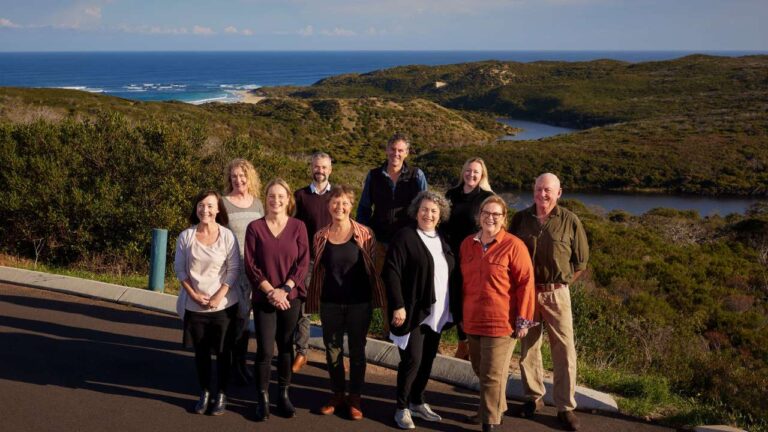
Augusta-Margaret River stakeholders
by Ecotourism Australia | Nov 23, 2021 | General, Media Release
As travel restrictions start to ease and the tourism industry looks ahead to how it will change in a post-COVID world, Ecotourism Australia is celebrating its 30th birthday with a shift in strategic direction and an accompanying suite of new logos.
The changes, three years in the making, are significant but are very timely for the organisation, says Ecotourism Australia Chair, Dr Claire Ellis.
“Thirty years ago, our founders imagined a world in which travel was for good – where environments were protected, cultures were preserved and communities were connected thanks to a shared purpose. They were thought leaders, status quo challengers and bold, big picture thinkers.
“Today, their dream is the reality of travel. Operators and destinations have embraced sustainability principles as the foundations for their businesses and communities. The travel industry has realised that quality certification drives business success and resilience. And travellers themselves demand more from the places they visit,” she said.
Dr Ellis also noted that the challenges of the past two years had allowed the organisation to pause, reflect and review its role in the industry.
“The impacts of natural disasters and climate change combined with the challenges of COVID-19 have made this societal shift in thinking become more pronounced than ever. Businesses that are well prepared and attuned will benefit from this consumer-driven change.
“We will continue to support our members and strengthen our globally-recognised certification programs, as we step forward to take a stronger role in connecting, championing, inspiring and informing world that values travel for good.”
These changes from Ecotourism Australia will be implemented over the coming months and include a continued strong focus on destinations, stronger strategic partnerships and increased member-only benefits and industry resources.
This refocus supports the announcement today of Coffs Harbour as the second ECO Certified Destination in Australia and builds on the strong partnership between WWF-Australia and Ecotourism Australia supporting fire affected regions, as well as the solid foundations provided by outgoing CEO Rod Hillman.
Claire Ellis said it is an exciting time for the organisation:
“At Ecotourism Australia, we’re reimagining what the future of sustainable tourism looks like. We’re further strengthening our bold dreams of 30 years ago with our vision to lead and inspire the world to travel for good.”