a
35 years of pioneers, people and global leadership: Ecotourism Australia celebrates major milestone

35 years of pioneers, people and global leadership: Ecotourism Australia celebrates major milestone

Founded in 1991, Ecotourism Australia, the organisation behind the world’s first national ecotourism certification program, is celebrating 35 years of advancing sustainable tourism and shaping what credible, independently verified sustainable tourism looks like in Australia and internationally.

Initially established in November 1991 as the Ecotourism Association of the Indo Pacific Region, the not-for-profit has grown from a visionary idea into a globally recognised peak body, today certifying some 2,500 tours, attractions and accommodation providers across Australia and the Pacific.

With its programs recognised by leading global platforms including Booking.com, Google, Travalyst and ABTA, and its standards shaping sustainable tourism certification internationally, most recently through its role as a founding member and inaugural chair of the global Tourism Sustainability Certifications Alliance (TSCA) whose members collectively certify more than 19,000 travel and tourism enterprises, organisations, and destinations worldwide, Ecotourism Australia remains a global leader in sustainable tourism.

From launching the world’s first national ecotourism certification program in 1996, to establishing the ECO Destination Certification program in 2018 and the Sustainable Tourism Certification in 2022 to serve the non-nature-based visitor economy, Ecotourism Australia has consistently set the standard for what responsible tourism looks like in practice.


People play pioneering role in protecting our natural and cultural heritage

Ecotourism Australia CEO Elissa Keenan said the people and businesses who have helped shape Ecotourism Australia and the sustainable tourism movement over more than three decades have played a critical role in achieving these milestones.

“From the early pioneers who recognised that tourism could play a positive role in protecting our natural and cultural heritage, to the passionate small and family-ownedbusinesses that led the way in demonstrating global best practice, their commitment and leadership have been central to the organisation’s success,” Ms Keenan said.

“Today, that legacy continues through a growing community of certified operators, from small regional businesses to some of Australia’s largest tourism and hospitality groups, all demonstrating that sustainability is not defined by the size of a business, but by its commitment to meaningful action and continuous improvement.

“Together, they have helped establish Australia as a global leader in sustainable tourism and continue to raise the standard for the industry.”

While the organisation marks such a significant milestone, Ms Keenan said the recognition won’t stop this year, with the celebrations continuing into 2027 to mark 30 years since Ecotourism Australia awarded the world’s first ECO Certification to a tourism operator.

“This next milestone will provide another opportunity to recognise the pioneering operators who helped establish a global benchmark for ecotourism, celebrate the businesses that have maintained their commitment over decades, and reflect on the enduring role of independent certification in shaping a more sustainable tourism industry.”

Image – ECO Certified at the Advanced level, Binna Burra Lodge were early pioneers who recognised that tourism could play a positive role in protecting our natural and cultural heritage.

Fundamentals of credible certification remain constant in a changing landscape

Today, as scrutiny of environmental claims intensifies globally and the EU’s Empowering Consumers for the Green Transition Directive reshapes expectations for sustainability communication, Ms Keenan said the rigour and credibility of Ecotourism Australia’s certification programs have never been more relevant.

“The pioneers who established Ecotourism Australia and its certification program were ahead of their time, and the thousands of people and businesses who have contributed to our journey since have built on that vision,” Ms Keenan said.

“While the landscape has changed enormously since 1991, the fundamentals of credible certification have not.

“Strong standards, independent verification, evidence-based assessment and continuous improvement. That is what we were built on, and it is what we will continue to stand for.

Ms Keenan said the organisation’s focus was firmly on the future, with ambitions to grow its certified community across Australia and the Pacific, deepen its advocacy for government policy settings that support and reward credible sustainability, and continue its work with the TSCA to strengthen global certification standards.

“As scrutiny of environmental claims intensifies worldwide and regulation continues to evolve, the role of independent, third-party certified certification has never been more critical,” she said.

“We will keep raising the bar for credible, practical and impactful sustainable tourism in Australia and globally to support our industry’s long-term viability, protect the natural and cultural assets it depends on, and to help local communities thrive.”

Image – ECO Certified at the Advanced level, Exceptional Kangaroo Island offer luxury small group and private island and wildlife tours and were one of the pilot businesses in developing Ecotourism Australia’s original certification scheme.

New Chair focused on making sustainability central to tourism

Recently appointed as Chair of Ecotourism Australia’s Board and Owner/Director of Diverse Travel Australia, Caroline Densley said she was honoured to lead the Board and continue the commitment and support to the organisation as it celebrates 35 years.

“It’s an honour to chair Ecotourism Australia’s Board at such an exciting time as we not only reach this significant milestone, but also look ahead to the future,” Ms Densley said.

“Our 35-year anniversary speaks to the enduring relevance of what our organisation set out to do, and to how much the sustainable tourism movement has grown around us since.”

In recognising the organisation’s success over the past 35 years, Ms Densley said it was important to reflect on the fact that Ecotourism Australia was built on the commitment of so many people who believed in what it stands for.

“We particularly acknowledge our Life Members, Hall of Fame operators who have maintained certification for 20 years, and Green Travel Leaders who have demonstrated that same commitment for more than a decade,” she said.

“We also extend our sincere thanks to the many volunteer Directors, past and present, industry leaders, partners and friends who have generously contributed their time, expertise and support over the years.

“Their collective contribution has helped shape the organisation we are today and laid the foundations for the next generation of sustainable tourism leadership.”

For Ecotourism Australia’s next chapter, Ms Densley said making sustainability central to how tourism businesses operate, how destinations are managed and how Australia promotes itself to the world will be critically important.

“We want to help more businesses achieve ECO and Sustainable Tourism Certification and work with government to embed sustainability in the policies that shape our industry,” Ms Densley said.

“Strengthening partnerships here and overseas, particularly in the Pacific, expanding our relationships with First Nations communities and championing our certified operators will be key priorities.

“Ultimately, sustainable tourism is about delivering lasting benefits for businesses and communities while protecting the natural and cultural places that make our destinations special.”


ENDS


Media contacts:

Kate Scott

Communication & Engagement Manager

commsmanager@ecotourism.org.au

(07) 3256 6777


Emily Flanagan

Communication & Engagement Specialist

communications@ecotourism.org.au

(07) 3256 6777


About Ecotourism Australia

Ecotourism Australia is a non-government, not-for-profit organisation, established in 1991, that promotes and supports Australia’s visitor economy through building capacity and actively promoting sustainable tourism operations and systems. Our legacy program – ECO Certification – was the world’s first national ecotourism certification program and the Sustainable Tourism Certification, launched in 2022 supports non-nature-based businesses achieve global best-practice. Today there are some 2500 accommodation, tours and attractions certified by Ecotourism Australia. Ecotourism Australia is also a founding member of the Tourism Sustainability Certifications Alliance (TSCA), a global association for sustainable tourism established in January 2025. TSCA members are responsible for certifying more than 19,000 travel and tourism enterprises, organisations, and destinations across the globe – representing the largest cohort of certified operators worldwide.

Central Coast earns sixth global Top 100 recognition

Central Coast earns sixth global Top 100 recognition


From oysters to ocean guardians: Central Coast earns sixth global Top 100 recognition


Ecotourism Australia congratulates ECO Certified Destination, the NSW Central Coast, on being selected in the 2026 Green Destinations Top 100 Stories, marking the region’s sixth recognition in the prestigious global program. 

Announced overnight at the Green Destinations Global Conference in Kranj, Slovenia, this year’s recognition celebrates the Central Coast story ‘Guardians of the Ocean: Rallying Resilient Oyster Tourism’, selected in the Visitor Experience & Destination Management category. 

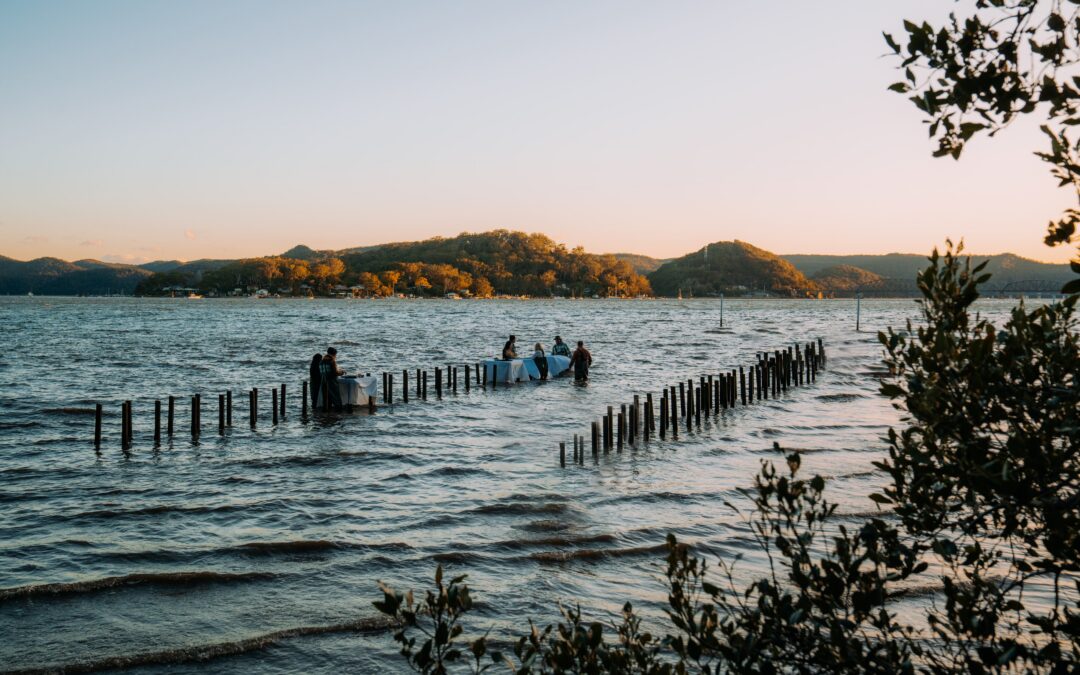
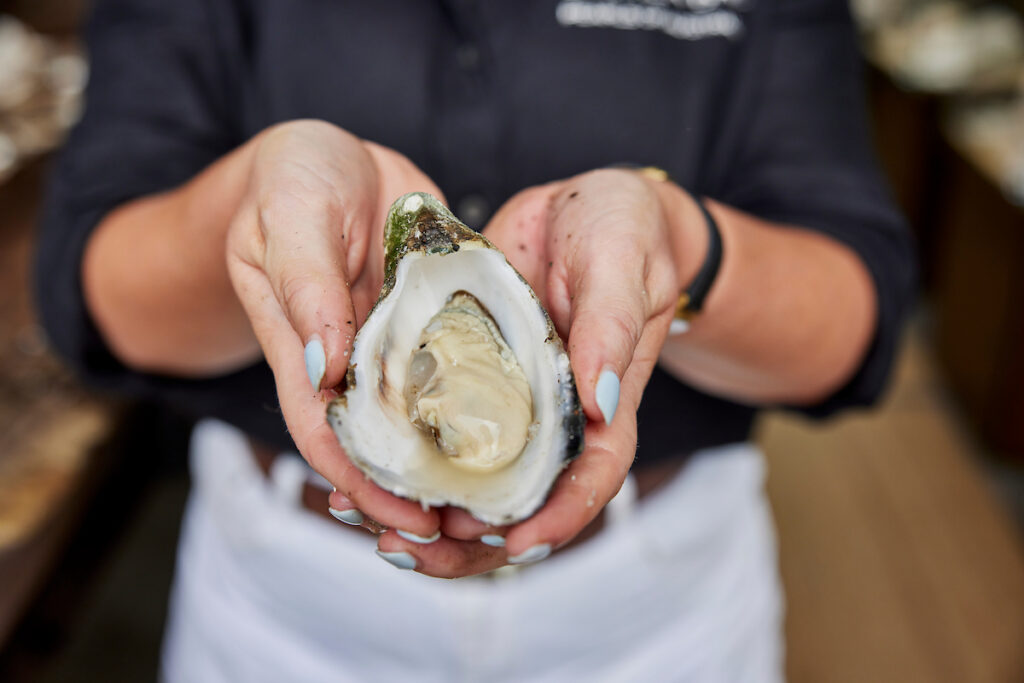
The story showcases how local oyster farmers and tourism operators at Mooney Mooney, including Ecotourism Australia ECO Certified operators Broken Bay Pearl Farm and Sydney Oyster Farm Tours, have diversified into experiences such as farm tours, in-water dining and workshops to create new ways for visitors to connect with local produce, waterways and the people who depend on them. 

Ecotourism Australia CEO, Elissa Keenan said the recognition reflected both the resilience of the region’s tourism community and the Central Coast’s long-term commitment to sustainable destination management. 

“To be recognised among the Green Destinations Top 100 Stories for a sixth consecutive year is an extraordinary achievement, and we congratulate the Central Coast, its tourism operators and broader community on this global recognition,” Ms Keenan said. 

“What makes this year’s story particularly powerful is the resilience behind it. These oyster farmers are working directly with nature and facing very real environmental challenges, yet they are adapting, diversifying and finding new ways to connect visitors with their waterways, produce and community. 

“It is a wonderful example of how sustainable tourism can strengthen local businesses, communities and visitor experiences while fostering a deeper appreciation of the natural environments on which tourism depends.”

Image – ECO Certified Sydney Oyster Farm Tours. Credit: Remy Brand x Destination Central Coast.

Central Coast Mayor, John McNamara said the recognition reinforced the value of partnerships in building a resilient visitor economy. 

“Our oyster industry is to be commended for creating one-of-a-kind experiences that connect visitors with our natural environment and local producers,” Mayor McNamara said. 

“This shows what can be accomplished when Council, tourism operators and industry work together towards a shared vision.” 

The Central Coast first achieved a place on the Green Destinations Top 100 Stories list in 2021 when it was in the application stage for its ECO Destination certification and went on to become Australia’s third certified ECO Destination in 2022. Since then, the Central Coast has continued to demonstrate its commitment to sustainable destination management across environmental, cultural, social and economic areas.


Image – ECO Certified Broken Bay Pearl Farm. Credit: Destination Central Coast x Broken Bay Pearl Farm.

Ecotourism Australia’s ECO Destination Certification program was established in partnership with Green Destinations, a global organisation that supports sustainable destinations, their businesses and their communities.  Our ECO Destination Certification program aligns with Green Destinations’ international standards. Through the program, certified destinations work towards globally recognised sustainability benchmarks and strengthen their international visibility. 

The Green Destinations Top 100 Stories competition has run annually since 2014 and showcases practical examples of responsible tourism from destinations around the world. The stories are evaluated on their effectiveness, innovation and potential for replication, shining a spotlight on destinations that are setting the global standard for sustainable tourism leadership.  


Read more about the Central Coast’s story ‘Guardians of the Ocean: Rallying Resilient Oyster Tourism’, here. 


ENDS


Media contacts:

Kate Scott

Communication & Engagement Manager

commsmanager@ecotourism.org.au

(07) 3256 6777


Emily Flanagan

Communication & Engagement Specialist

communications@ecotourism.org.au

(07) 3256 6777


About Ecotourism Australia

Ecotourism Australia is a non-government, not-for-profit organisation, established in 1991, that promotes and supports Australia’s visitor economy through building capacity and actively promoting sustainable tourism operations and systems. Our legacy program – ECO Certification – was the world’s first national ecotourism certification program and the Sustainable Tourism Certification, launched in 2022 supports non-nature-based businesses achieve global best-practice. Today there are some 2500 accommodation, tours and attractions certified by Ecotourism Australia. Ecotourism Australia is also a founding member of the Tourism Sustainability Certifications Alliance (TSCA), a global association for sustainable tourism established in January 2025. TSCA members are responsible for certifying more than 19,000 travel and tourism enterprises, organisations, and destinations across the globe – representing the largest cohort of certified operators worldwide.
Fiji sustainability trifecta marks milestone for Accor and Ecotourism Australia

Fiji sustainability trifecta marks milestone for Accor and Ecotourism Australia

Ecotourism Australia has expanded its certification footprint into Fiji, with three Accor properties becoming the organisation’s first certified operators in the destination under its globally recognised program. 

The milestone highlights both Accor’s commitment to credible sustainability leadership and Ecotourism Australia’s growing presence across the Pacific. 

Novotel Suva Lami Bay, Mercure Nadi and Novotel Nadi have each achieved Sustainable Tourism Certification, recognising their commitment to sustainable tourism practices and providing an independently certified framework to continue strengthening their environmental and operational performance. 

Ecotourism Australia CEO Elissa Keenan said the certifications were an important milestone in the organisation’s growing international presence. 

“We are delighted to certify not one, but three Accor properties as we continue to grow our footprint across the Pacific and support tourism businesses that are committed to credible, measurable sustainability,” Ms Keenan said. 

“Tourism has an important role to play in demonstrating what practical sustainability looks like, and independent certification gives businesses a credible way to demonstrate that commitment.” 

“Accor is a valued partner of Ecotourism Australia, and we are proud to support its continued focus on sustainability across its properties in Australia and the Pacific. We look forward to building on this relationship and supporting more tourism businesses across the region to pursue global best practice in sustainability.” 

Image – Mercure Nadi is one of the three hotels to achieve Sustainable Tourism Certification with Ecotourism Australia | © Accor

Adrian Williams, Chief Operating Officer, Accor Pacific, added: “Fiji is an extraordinary destination, and as an industry we have an important role to play in helping protect what makes it special. We’re proud that Novotel Suva Lami Bay, Mercure Nadi and Novotel Nadi have all achieved Ecotourism Australia certification, marking an important milestone for sustainable tourism in Fiji. It’s a positive step forward as we continue to advance more sustainable practices across Fiji and the wider Pacific, helping to preserve these destinations for future generations.” 

Across the three properties, sustainability is embedded through initiatives that support local communities, celebrate Fijian culture and protect the environment. 

Mercure Nadi promotes local cultural experiences and educates guests on appropriate behaviour when visiting culturally sensitive sites. The property also supports community initiatives, including Cure for Kids Fiji events, work placements and Fiji Family Sports Days. 

Novotel Nadi supports local community organisations and deaf artisans, participates in beach clean-ups and tree planting, and raises awareness of ocean health through its Novotel x WWF partnership, which includes staff training on sustainable seafood. The property has also introduced reusable keep cups and encourages guests to participate in its Skip the Clean program. 

Similarly, Novotel Suva Lami Bay provides guests with opportunities to experience local Fijian culture through village and community visits. The property also works with local education provider ServicePro International Tourism & Hospitality Institute and participates in beach clean-ups, tree planting and the Novotel x WWF Ocean Week initiative. 

Across the properties, guests are encouraged to Skip the Clean, while each hotel recognises and respects the traditional custodians of the land and the enduring connection of the iTaukei people to these places.


Image – Mercure Nadi is one of the three hotels to achieve Sustainable Tourism Certification with Ecotourism Australia | © Accor

The certification builds on Ecotourism Australia’s international expansion, following the certification of the organisation’s first international property in February 2025, Rydges Latimer Christchurch in New Zealand. 

Ecotourism Australia’s certification programs provide tourism businesses with a framework based on publicly available criteria, independent third-party auditing and ongoing monitoring, helping businesses demonstrate their sustainability performance and avoid unsubstantiated environmental claims. 

Ms Keenan said the expansion into Fiji reflected the growing demand for credible sustainability standards across the Pacific. 

“The Pacific is home to some of the world’s most extraordinary natural and cultural assets, and tourism businesses have an important role in protecting and celebrating these places for future generations,” Ms Keenan said. 

“Our role is to connect, champion, inspire and inform tourism businesses through global best practice standards, and we are excited to continue working with partners such as Accor to bring that expertise to more destinations across the Pacific.” 

ENDS


Media contacts:

Kate Scott

Communication & Engagement Manager

commsmanager@ecotourism.org.au

(07) 3256 6777


Emily Flanagan

Communication & Engagement Specialist

communications@ecotourism.org.au

(07) 3256 6777


Accor 

Sarah Lipkin 
PR & Communications Manager, Pacific 
sarah.lipkin@accor.com  
0400 884 621 


About Ecotourism Australia

Ecotourism Australia is a non-government, not-for-profit organisation, established in 1991, that promotes and supports Australia’s visitor economy through building capacity and actively promoting sustainable tourism operations and systems. Our legacy program – ECO Certification – was the world’s first national ecotourism certification program and the Sustainable Tourism Certification, launched in 2022 supports non-nature-based businesses achieve global best-practice. Today there are some 2,500 accommodation, tours and attractions certified by Ecotourism Australia. Ecotourism Australia is also a founding member of the Tourism Sustainability Certifications Alliance (TSCA), a global association for sustainable tourism established in January 2025. TSCA members are responsible for certifying more than 19,000 travel and tourism enterprises, organisations, and destinations across the globe – representing the largest cohort of certified operators worldwide.

 

About Accor

Accor is a world-leading hospitality group offering stays and experiences across more than 110 countries with over 5,800 hotels and resorts, 10,000 bars & restaurants, wellness facilities and flexible workspaces. The Group has one of the industry’s most diverse hospitality ecosystems, encompassing more than 45 hotel brands from luxury to economy, as well as lifestyle, with Ennismore. ALL Accor, the booking platform and loyalty program embodies the Accor promise during and beyond the hotel stay and gives its members access to unique experiences. Accor is focused on driving positive action through business ethics, responsible tourism, environmental sustainability, community engagement, diversity, and inclusivity. Accor’s mission is reflected in the Group’s purpose: Pioneering the art of responsible hospitality, connecting cultures, with heartfelt care. Founded in 1967, Accor SA is headquartered in France. Included in the CAC 40 index, the Group is publicly listed on the Euronext Paris Stock Exchange (ISIN code: FR0000120404) and on the OTC Market (Ticker: ACCYY) in the United States. For more information, please visit group.accor.com or follow us on X, Facebook, LinkedIn, Instagram and TikTok. 

New European anti-greenwashing legislation welcomed by certified tourism industry

New European anti-greenwashing legislation welcomed by certified tourism industry

From Sunday, Australian tourism operators marketing to European consumers will be subject to new anti-greenwashing legislation; a move welcomed by peak industry body Ecotourism Australia and its network of ECO Certified and Sustainable Tourism Certified operators, who have long championed credible, independently verified standards.

The European Union’s Empowering Consumers for the Green Transition Directive, which comes into effect on 27 September, will strengthen consumer protection rules by prohibiting generic or unsubstantiated environmental claims, such as describing products or services as ‘green’, ‘carbon neutral’ or ‘environmentally friendly’ without clear, verifiable evidence.

The Directive applies to any marketing directed at consumers based in the EU and is particularly relevant to Australian tourism businesses promoting experiences, accommodation or destinations in European markets, including via global booking platforms and intermediaries.

Ecotourism Australia, CEO, Elissa Keenan said the new legislation was welcomed by the certified ecotourism industry, and in particular, operators who work tirelessly to provide visitors with authentic eco and sustainable experiences.

“Since introducing the world’s first ECO Certification program in 1996, built on transparency, authenticity and independent auditing, we welcome stronger scrutiny of green claims across the tourism industry,” Ms Keenan said.

“Our certified operators work hard to meet global best practice, with rigorous audits of their operations to substantiate their sustainability claims, while other operators are using labels or imagery that is misleading.

“These misleading labels, claims and imagery cause confusion for consumers and increases the risk of greenwashing.

“Choosing certified tourism activities and accommodation assures travellers that products are backed by a strong well-managed commitment to sustainable practices as well as providing high-quality tourism experiences.”

Image – Accor is certifying its network of more than 400 hotels across the region, with the Novotel Sydney Darling Square hotel holding Ecotourism Australia’s Sustainable Tourism Certification.

Independent certification building trust across global hotel networks

Director of Sustainability for Accor in Australia and the Pacific, David Young, said the new European legislation reinforces the importance of independent certification as the hotel group works towards certifying its network of more than 400 hotels across the region.

“Certifying our hotels through third-party programs such as Ecotourism Australia has been a priority for Accor since 2024, as it helps us to build confidence among all our stakeholders including leisure guests, corporates and our Heartists,” Mr Young said.

“It verifies that we are doing what we promise to do and solidifies our ongoing commitment to environmental stewardship and responsible hospitality.

“Our team is actively embracing the EU Empowering Consumers Directive as it reinforces our investment in obtaining Sustainable Tourism Certification.

“With this third-party approval we can confidently market to EU travellers knowing that each of our certified hotels has undertaken a rigorous application process and committed to a journey of continuous improvement when it comes to sustainability.”

Mr Young said sustainability is no longer a nice-to-have but a standard expectation, with guest feedback demonstrating growing demand for sustainable travel experiences across both leisure and business travel.

“In addition to the removal of single-use plastics and good food initiatives, our guests have particularly positive feedback for our Skip The Clean initiative, which rewards guests who opt out of daily housekeeping with ALL Reward points,” Mr Young said.

“From a B2B perspective, the number of requests from our corporate clients for verified third-party sustainability credentials continues to increase, highlighting the increasing importance of sustainability across all sectors.”

Image – Accor guests can contribute to sustainability when staying with the hotel group, demonstrating travellers’ growing demand for sustainable travel experiences across both leisure and business travel.

Small tourism operators creating big impacts

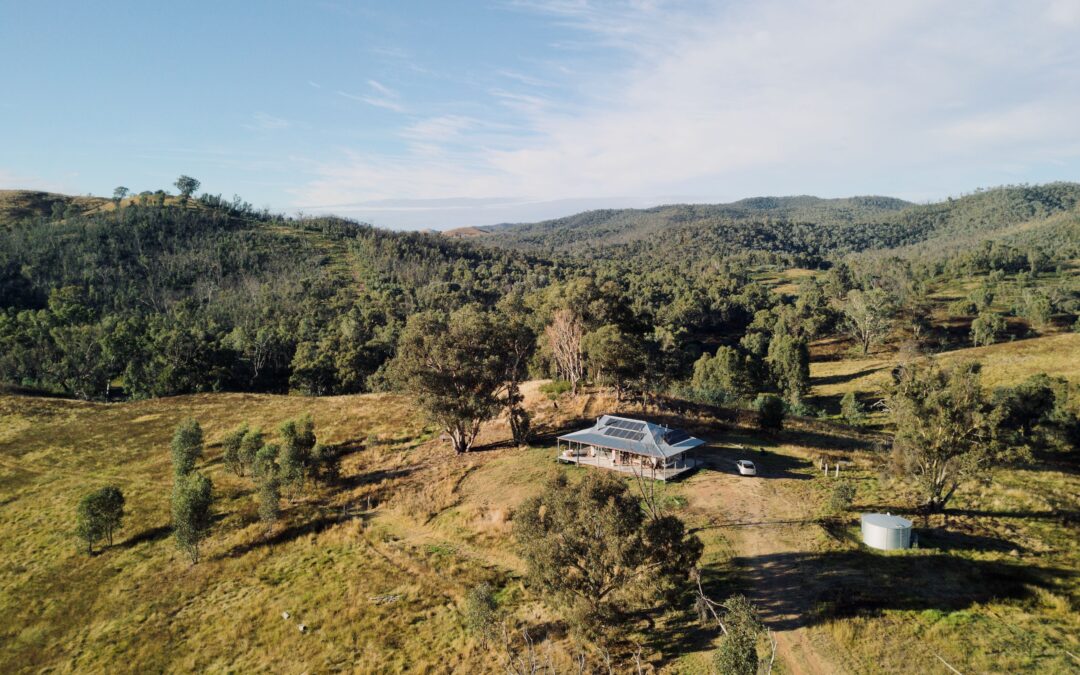
Nestled in the New South Wales Riverina Highlands. Louise Freckelton and David Bray’s luxury off-grid accommodation, Kestrel Nest EcoHut, offers visitors a sustainable farm stay experience at Highfield Farm & Woodland.

Over the past 14 years, the couple have been working to restore biodiversity, protect soils and improve waterways on their property, with proceeds from visitor stays funding environmental projects.

Since opening in 2020, Kestrel Nest EcoHut has helped fund the planting of 5,000 local native plants, protection of 222 hectares of Box Gum Grassy Woodland, and enhancement of 111 hectares of native temperate grasslands.

Surviving the 2019-20 bushfires while under construction, the EcoHut features recycled materials, renewable energy systems and a strong commitment to waste reduction and local sourcing.

As a passionate advocate for environmental stewardship and authentic ecotourism experiences, Lousie Freckelton said she couldn’t be more delighted about the implementation of the new EU regulations.

“A casual look at listing platforms such as Airbnb reveals hundreds of short-stay accommodation providers describing themselves as ‘eco’ or making claims about their sustainability, however, most have no certification to substantiate those claims,” Ms Freckelton said.

“We’ve been working to substantiate our sustainability and ecotourism claims for years and have been certified by Ecotourism Australia since 2023.

“Our Impact Report also documents how we work with guest on waste minimisation, contribute to citizen science and act across a range of other environmental and social measures.”

Image – Luxury off-grid accommodation, Kestrel Nest EcoHut is Ecotourism Australia ECO Certified Advanced and features recycled materials, renewable energy systems and a strong commitment to waste reduction and local sourcing.

Helping travellers choose authentic sustainable and ecotourism experiences

As more travellers seek authentic sustainable and ecotourism experiences, Ms Keenan said looking for certifications that are independently audited by a third-party provides assurance that the operator’s claims are genuine.

“The third-party certification audits are conducted by qualified, independent professionals, which means outcomes are impartial, credible and free from conflicts of interest,” Ms Keenan said.

“Operators who are certified by Ecotourism Australia need to meet more than 300 set criteria encompassing responsible practices across four pillars: environmental, socio-economic, cultural and sustainable management, which are independently and regularly audited by a third-party auditor.

“Importantly, our certifications are recognised globally and meet global standards.

“We are a founding member of the Tourism Sustainability Certifications Alliance, a global collaboration of nine certifying bodies who have aligned respective certification programs minimum criteria and auditing processes under an agreed standard.”

When travelling at home, Ms Keenan recommends travellers use Ecotourism Australia’s Green Travel Guide to help with holiday planning.

“The Green Travel Guide lists every ECO Certified and Sustainable Tourism Certified operator and destination in Australia,” Ms Keenan said.

“This is a great way for travellers to search for genuinely sustainable accommodation and tourism experiences in their local area or holiday destination.”


ENDS


Media contacts:

Kate Scott

Communication & Engagement Manager

commsmanager@ecotourism.org.au

(07) 3256 6777

Emily Flanagan

Communication & Engagement Specialist

communications@ecotourism.org.au

(07) 3256 6777


About Ecotourism Australia

Ecotourism Australia is a non-government, not-for-profit organisation, established in 1991, that promotes and supports Australia’s visitor economy through building capacity and actively promoting sustainable tourism operations and systems. Our legacy program – ECO Certification – was the world’s first national ecotourism certification program and the Sustainable Tourism Certification, launched in 2022 supports non-nature-based businesses achieve global best-practice. Today there are some 2,500 accommodation, tours and attractions certified by Ecotourism Australia. Ecotourism Australia is also a founding member of the Tourism Sustainability Certifications Alliance (TSCA), a global association for sustainable tourism established in January 2025. TSCA members are responsible for certifying more than 19,000 travel and tourism enterprises, organisations, and destinations across the globe – representing the largest cohort of certified operators worldwide.

Tourism Sustainability Certifications Alliance releases global Minimum Standards for sustainable tourism certification

Tourism Sustainability Certifications Alliance releases global Minimum Standards for sustainable tourism certification

Brisbane, Australia – 2 September 2026. The Tourism Sustainability Certifications Alliance (TSCA) has announced the release of its new TSCA Minimum Standards, establishing a globally aligned baseline for sustainable tourism certification and marking a major milestone in the evolution of credible sustainability assurance for the travel and tourism sector. 

The new standards have been developed collaboratively by TSCA member organisations, which collectively represent more than 30 years of leadership in sustainable tourism certification and have certified over 19,000 tourism businesses, organisations and destinations worldwide, including those certified by Ecotourism Australia. The standards are designed to provide a common framework for sustainability certification while allowing certification bodies to maintain their own unique methodologies and additional requirements.

The release includes two distinct minimum standards: one for tourism businesses, including accommodation providers and tour operators, and another for destinations. Together, these standards establish the baseline requirements that must be met to achieve credible sustainability certification through TSCA member certification schemes.

“The release of these minimum standards represents an important step towards greater consistency, transparency and trust in sustainable tourism certification,” said TSCA Chairperson Elissa Keenan.“By aligning around a common set of minimum requirements, we are strengthening confidence in sustainability certification while continuing to support innovation and diversity among certification programs.”


 Developed through global collaboration

The TSCA Minimum Standards were developed through a comprehensive collaborative process involving member organisations and extensive stakeholder consultation. The standards were informed by two consultation rounds involving certification bodies, tourism businesses, industry associations, non-government organisations and sustainability experts. Feedback received throughout the process was reviewed and incorporated to ensure the standards are practical, globally relevant and aligned with internationally recognised sustainability principles.

The development process reflects TSCA’s commitment to transparency, consensus-building and continuous improvement. By drawing on decades of collective expertise from leading certification organisations, the TSCA has created standards that provide both global consistency and flexibility for implementation across diverse tourism markets and destinations.


Strengthening confidence in certification

The TSCA Minimum Standards are intended to provide a common foundation for tourism sustainability certification worldwide. Member certification organisations have committed to incorporating these minimum requirements into their own certification programs, ensuring a shared baseline across the Alliance while retaining the ability to apply additional criteria and requirements where appropriate.

Certification delivered through TSCA members using the minimum standards will help tourism businesses and destinations better manage their environmental, social and economic impacts, improve transparency and accountability, and create lasting benefits for communities, visitors and natural environments. The standards also support greater consistency between certification schemes and strengthen confidence in sustainability claims made across the tourism industry.

The release comes at a time when tourism businesses face increasing expectations from consumers, governments and regulators regarding sustainability performance and environmental claims. TSCA has identified emerging regulatory frameworks, including consumer protection and green claims legislation, as key drivers for greater alignment and credibility in sustainability certification.

As sustainable tourism continues to grow in importance, the release of the TSCA Minimum Standards represents a significant step toward a more transparent, consistent and trusted certification landscape for the global tourism industry.


Ecotourism Australia plays leading role in shaping the future of sustainable tourism certification globally

Ecotourism Australia, the nation’s peak body for ecotourism and sustainable tourism is a founding member of TSCA, with CEO, Elissa Keenan, also holding the inaugural chairperson role of the global coalition.

Ms Keenan said the membership and leadership of the TSCA strengthened the global credibility and recognition of Ecotourism Australia’s programs.

“While Ecotourism Australia’s certification programs already meet and exceed global standards, this collaboration ensures our programs remain aligned internationally and continue to be recognised by regulators, booking platforms and consumers around the world,” she said.

 As a founding member of the TSCA, Ms Keenan said Ecotourism Australia also played a key role in developing the new TSCA sustainability criteria and standards.

“Our Head of Sustainability, Assurance and Operations, Nadine Schramm, also worked collaboratively with our partner organisations, providing her deep expertise and leadership in sustainability and certification to develop TSCA’s Minimum Standards for tourism businesses and destinations,” Ms Keenan said.

“Ecotourism Australia’s founding role and ongoing dedication reinforces our commitment to transparency, credibility, and continuous improvement in tourism certification standards, which in turn, supports Australian certified tourism businesses in global markets.”


A global alliance for sustainable tourism
Formed in 2024, the Tourism Sustainability Certifications Alliance is a collaboration of leading sustainable travel and tourism certification organisations from around the world.

For over 30 years, this group of leading internationally recognised certification organisations has been responsible for developing the industry’s best practice standard for accepted criteria in sustainable tourism. Together, these organisations have certified more than 19,000 of the world’s leading travel and tourism companies, organisations and destinations. 


TSCA’s mission is to harmonise sustainability criteria and standards, creating a common internationally recognised language for sustainable tourism certification. Through collaboration and knowledge sharing, the TSCA works to ensure that certification remains credible, accessible and responsive to evolving consumer expectations, industry needs and regulatory requirements.


Web: tourismsustainability.org


For more information about the TSCA Minimum Standards, visit: TSCA Standards


END


Media contacts:

Ecotourism Australia – Emily Flanagan, Communications and Engagement Specialist

e: communications@ecotourism.org.au

ph: (07) 3256 6777


About Ecotourism Australia

Ecotourism Australia is a non-government, not-for-profit organisation, established in 1991, that promotes and supports Australia’s visitor economy through building capacity and actively promoting sustainable tourism operations and systems. Our legacy program – ECO Certification – was the world’s first national ecotourism certification program and the Sustainable Tourism Certification, launched in 2022 supports non-nature based businesses achieve global best-practice. Today there are some 2500 accommodation, tours and attractions certified by Ecotourism Australia. Ecotourism Australia is also a founding member of the Tourism Sustainability Certifications Alliance (TSCA), a global association for sustainable tourism established in January 2025. TSCA members are responsible for certifying more than 19,000 travel and tourism enterprises, organisations, and destinations across the globe – representing the largest cohort of certified operators worldwide.
Read