a
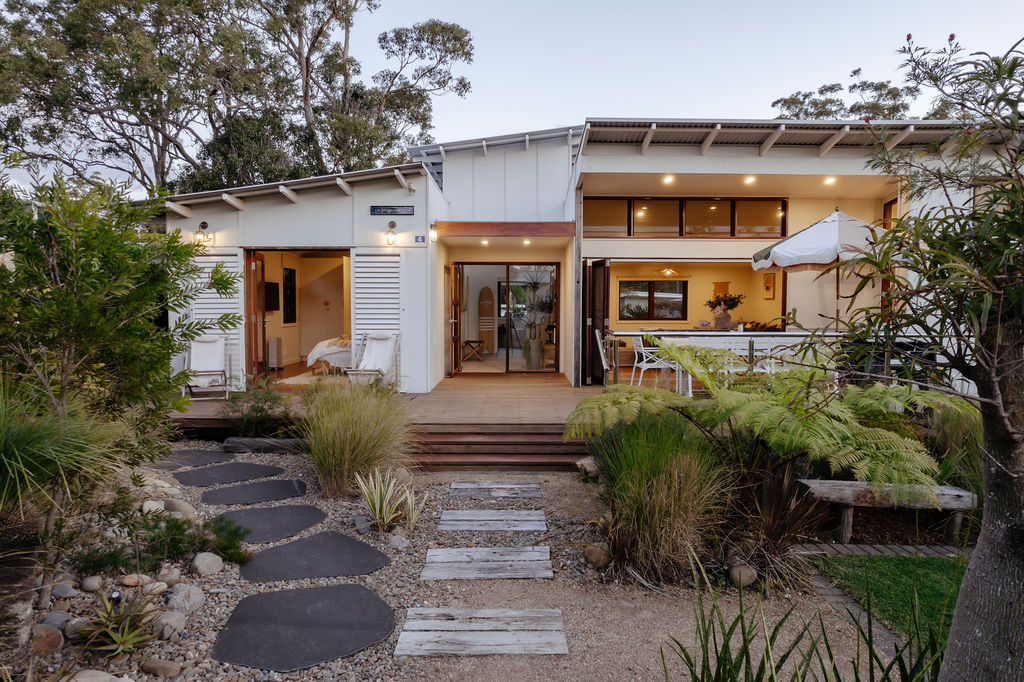
Oyster Catcher Huskisson


Oyster Catcher Huskisson
Boutique Accommodation
BOODEREE / Huskisson NSW

How one family turned their beach house into a benchmark for low impact luxury.


Nestled in a quiet enclave of the NSW South Coast, just minutes from the crystal-clear waters of Jervis Bay, Oyster Catcher Huskisson offers a serene getaway. More than just a holiday home, this thoughtfully designed three-bedroom retreat invites families, friends and couples to slow down, unwind and make memories that linger long after the holiday ends. 

For owners Abby and Phil Cowlishaw, Oyster Catcher Huskisson began as a deeply personal dream. During COVID, as their family grew, they found themselves longing for more space; a place that they could retreat to and share with their community.  

“What mattered most was this: it had to be forever. After years of travel across countries and cities, Oyster Catcher would become our constant. A place that evolves with us yet always holds room for the most important thing of all: our family,” Abby shared. 

“At its heart, our motivation was simple: to create a place where friends, families and couples could slow down, feel truly cared for, and soak in the natural magic of Huskisson without noise or pretence.” 

As avid eco-conscious travellers, Abby and Phil were determined that Oyster Catcher’s sustainability efforts go beyond good intentions. As such, the team adopted a systematic approach using Ecotourism Australia’s Strive 4 Sustainability Scorecard, which allowed them to measure their practices against global standards, strengthen accountability, and uncover opportunities for continual improvement, ensuring the property truly reflected their environmental values.

“We believe sustainability shouldn’t be an afterthought – it should be part of the everyday part of hosting. The Strive 4 Sustainability Scorecard offered a structured, credible framework to help us understand where we were performing well and where we could improve.”
Built on globally recognised certification standards, the Strive 4 Sustainability Scorecard provides tourism operators with a snapshot of their sustainability journey, assessing performance across 50 criteria in Sustainable Management, Environmental Impacts, Socio-Economic Impacts, and Cultural Impacts. For Oyster Catcher, the scorecard offered a way to benchmark practices, translate broad sustainability goals into tangible actions, and set clear benchmarks for continuous improvement.

“The greatest benefit was clarity. The scorecard turned broad sustainability goals into tangible actions. It gave us a benchmark for accountability and a roadmap for continuous improvement.

It also strengthened our ability to confidently communicate our efforts. Offering guests transparency and showing them that their stay supports meaningful environmental care.”

Oyster Catcher’s sustainability initiatives are wide-ranging and deeply integrated into both the design and daily operation of the property. The house is solar-powered, captures rainwater, and is single-use plastic-free. Hot water is solar-heated, and reverse brick veneer walls combined with clerestory windows reduce energy demand and maintain a consistent indoor temperature, even on warmer days.

These conscious decisions have measurable impacts. Between 2024 and 2025, Oyster Catcher reduced electricity usage by 27% and water consumption by 41%, while still increasing occupancy by 9%. These savings avoided approximately 1.47 tonnes of CO₂, equivalent to driving over 6,000 kilometres in a standard petrol car. The property also optimised its website, reducing its carbon footprint per page view from 0.54g CO₂ to 0.22g, while the addition of an electric vehicle charger has seen usage grow 35% year-on-year.

“One of the most valuable outcomes of the report was the creation of clear benchmarks. These are now meaningful markers that will hold us accountable, not only for this assessment but for every decision we make moving forward. Developing these benchmarks pushed us further than we expected. It wasn’t just about identifying what we were already doing well; it was about committing to measure, improve, and continually lift our standards.”

The Strive 4 Sustainability Scorecard also helped the team identify ways to engage more meaningfully with the local community.

“The program helped us look beyond acknowledgement and towards building real, ongoing relationships: whether through collaboration, education, or supporting local businesses and experiences that connect guests to Country in an authentic way,” Abby reflects.

Looking to the future, Oyster Catcher sees certification as a natural next step.

“Absolutely. Certification would allow us to deepen our commitment, enhance credibility, and continue improving in a structured, measurable way,” Abby says.

Completing the Strive 4 Sustainability Scorecard gave Oyster Catcher Huskisson a clear view of strengths and areas for growth, while demonstrating accountability to guests and partners. It has been an essential step in turning the property’s commitment to sustainability into measurable progress and a pathway toward globally recognised certification.


Click here to learn more about Oyster Catcher Huskisson’s sustainable efforts, and book your stay: https://www.oystercatcherhuskisson.com/ 

Oyster Catcher Huskisson completed their Strive 4 Sustainability Scorecard on 25 November 2025 and is a snapshot of their current sustainability practices. The scorecard is not a certification and is valid for 12 months upon completion.
Gold Coast to host 2026 Global Sustainable Tourism Summit

Gold Coast to host 2026 Global Sustainable Tourism Summit

Gold Coast announced as host of the 2026 Global Sustainable Tourism Summit


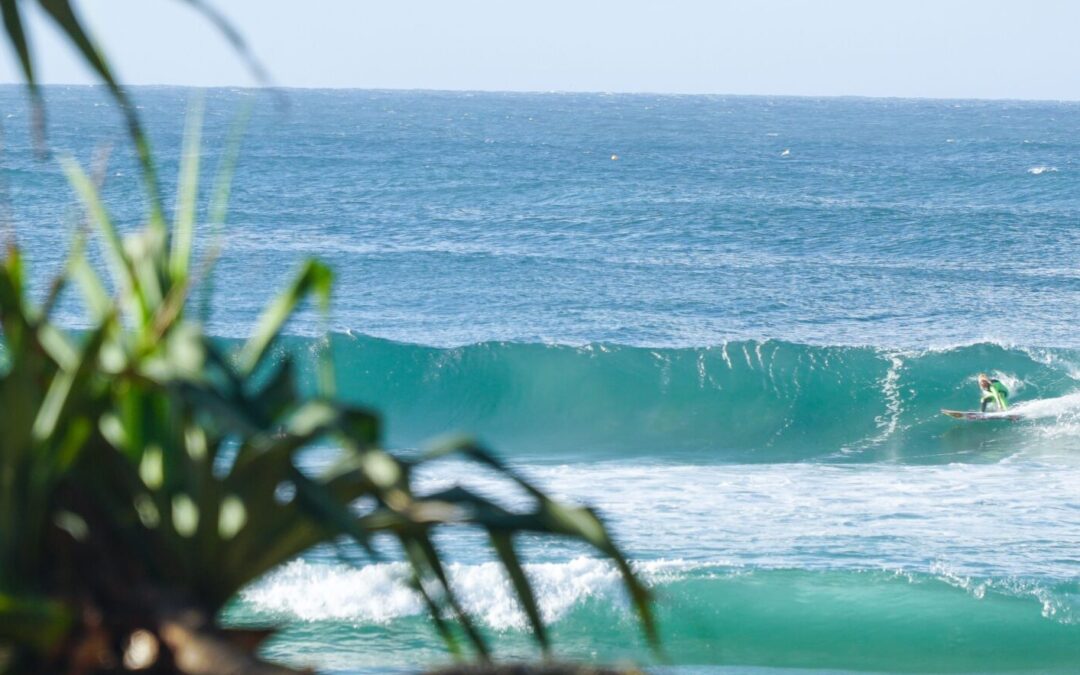
Ecotourism Australia is delighted to announce the return of highly successful Global Sustainable Tourism Summit, with the Gold Coast named the official host destination for 2026.

Supported by Tourism Australia and proudly hosted by the City of Gold Coast, the Global Sustainable Tourism Summit will take place between Tuesday 2 – Friday 5 June 2026. The Summit will bring together sustainability changemakers and innovators to explore how the Australian visitor economy can better champion the four pillars of sustainability through driving positive environmental outcomes, protecting and celebrating culture, creating meaningful socio-economic benefits, and building resilient, future-focused businesses.

“As the peak body for eco and sustainable tourism in the Australia and Pacific region, we are proud to again host the Global Sustainable Tourism Summit. This event is a significant opportunity for our industry to learn, share and be inspired to create change and ensure that tourism is a catalyst for positive change,” said Elissa Keenan, CEO of Ecotourism Australia.

“The Summit will unite our industry to learn, exchange ideas, and inspire action. Guided by expert voices from across Australia and the world, participants will discover how global best practice can shape the future of Australian tourism.

“Together, we’ll ensure we continue to meet global travel demand while setting the standard for sustainability and innovation. We’re so pleased to bring the Summit to the Gold Coast in 2026 – a region that has an increasing focus on developing ecotourism and nature-positive tourism experiences.”

The Gold Coast is home to a high number of Ecotourism Australia-certified operators, with over 30 ECO and Sustainable Tourism Certified businesses located in the region. Further supporting this growth, the City of Gold Coast’s nature-based tourism grant program is helping more businesses realise their sustainability goals, whether by creating low-impact, immersive experiences that promote environmental and cultural conservation, or through pursuing global best practice certification with Ecotourism Australia.

“It’s fitting the Gold Coast has been chosen as host of this international conference,” said Gold Coast Mayor Tom Tate.

“The conference’s four pillars align with work that council and private enterprise is currently undertaking to improve not only sustainability outcomes but to better support and promote cultural awareness within the industry.
“Through partnerships, we can learn so much more and I look forward to welcoming all delegates to our city in 2026.”

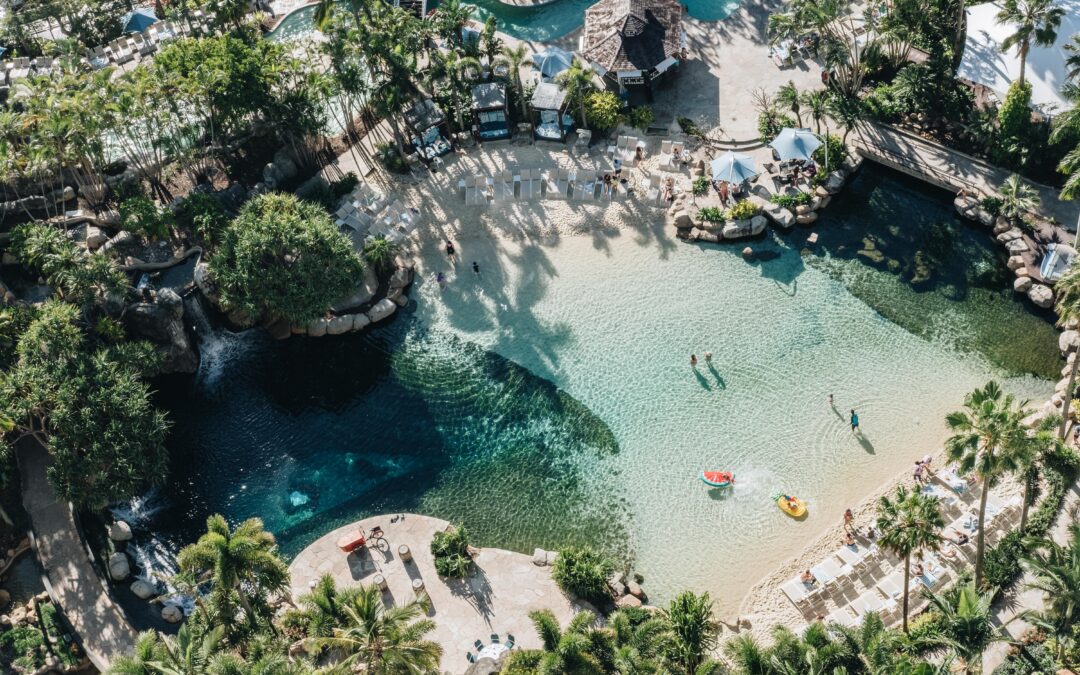
The Global Sustainable Tourism Summit will be hosted at the Mercure Gold Coast Resort, a Sustainable Tourism Certified hotel since 2024. The Mercure was chosen as a shining example of a venue that has made significant steps to reduce their environmental footprint, including by installing over 200 solar panels, hosting on-site worm farms to produce compost for their gardens and a ‘Bee Native’ project that sees on-site bee hives placed around the property to encourage pollination and support biodiversity. The Mercure has eliminated single-use plastics and created a ‘Clean for Green’ program whereby guests who opt out of having their linens replaced each day received a food and beverage credit.

The Summit stands as a flagship event on the international sustainable tourism calendar, creating a dynamic platform for delegates to connect, share knowledge and collaborate on the most pressing sustainability issues facing the tourism sector. The program for the Summit will span three days, including 1.5 day conference, two social functions, and an optional destination immersion program. Early bird tickets for the Global Sustainable Tourism Summit 2026 are on sale now, with significant discounts for Ecotourism Australia members.


END


Media contacts:

Ecotourism Australia – Myv Costelloe, Stakeholder Engagement Manager

e: myv@ecotourism.org.au

ph: (07) 3256 6777


City of Gold Coast – Mayor’s Media Team

e: mayormedia@goldcoast.qld.gov.au

ph: 0439 226 509


About Ecotourism Australia

Ecotourism Australia is a non-government, not-for-profit organisation, established in 1991, that promotes and supports Australia’s visitor economy through building capacity and actively promoting sustainable tourism operations and systems. Our legacy program – ECO Certification – was the world’s first national ecotourism certification program and the Sustainable Tourism Certification, launched in 2022 supports non-nature based businesses achieve global best-practice. Today there are some 2300 accommodation, tours and attractions certified by Ecotourism Australia. Ecotourism Australia is also a founding member of the Tourism Sustainability Certifications Alliance (TSCA), a global association for sustainable tourism established in January 2025. TSCA members are responsible for certifying more than 19,000 travel and tourism enterprises, organisations, and destinations across the globe – representing the largest cohort of certified operators worldwide.

Swimming into the Future: Fish Hotels and the Revival of Murray Cod

Swimming into the Future: Fish Hotels and the Revival of Murray Cod

Advanced ECO Certified operator Murray River Trails is turning ecotourism into a force for river regeneration with an innovative project designed to restore habitat for the Murray Cod.

The Problem

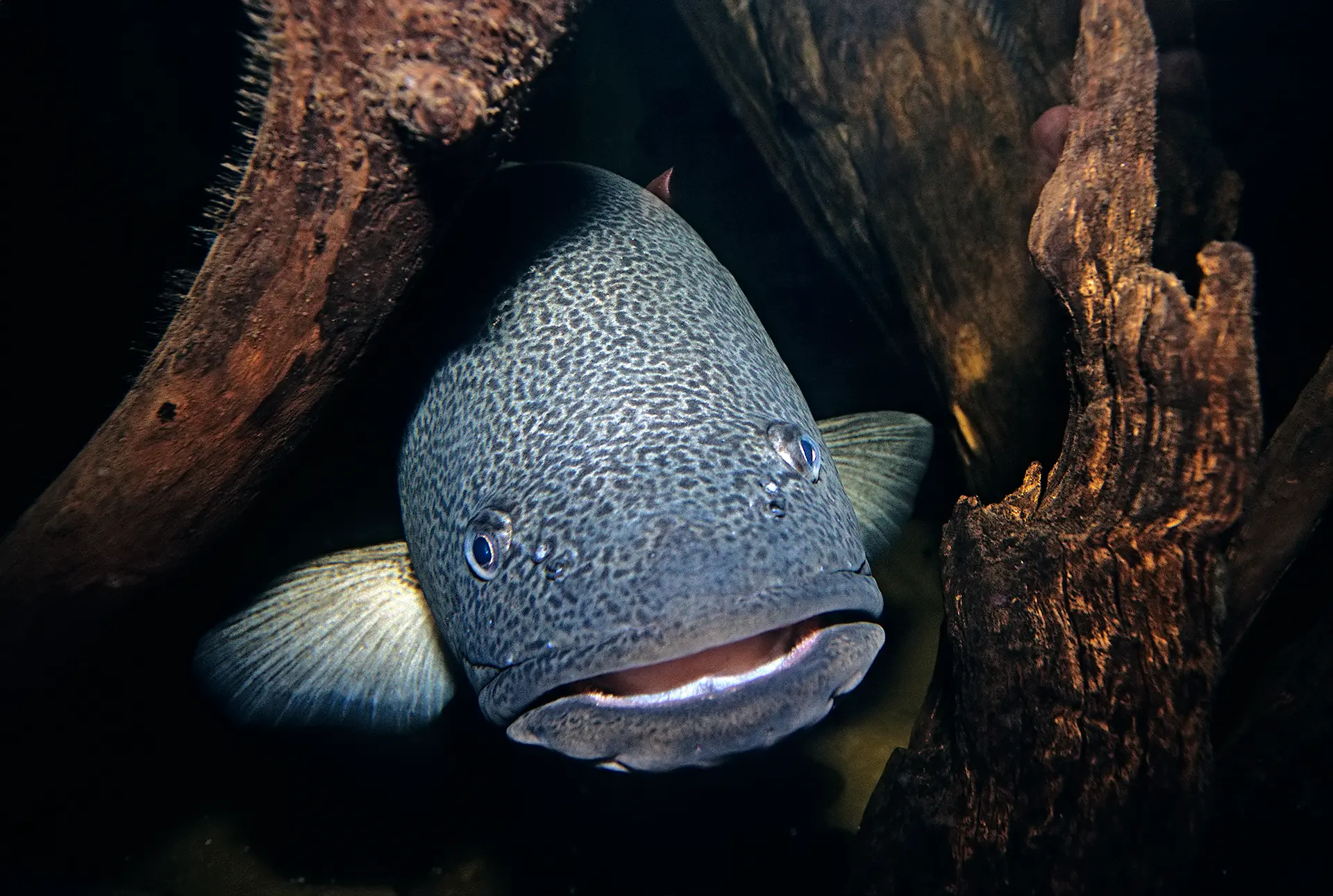
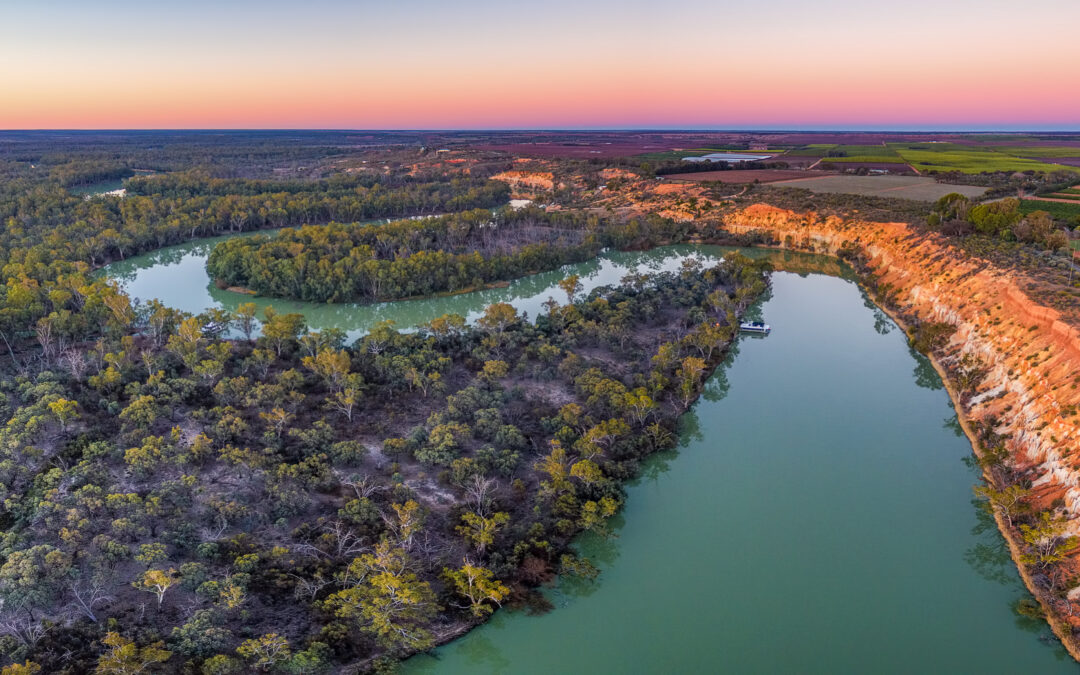
The Murray Cod is a defining species of Australia’s longest river – an extraordinary fish that can grow over 100 kilograms, live for more than a century and holds deep significance in Aboriginal Dreamtime stories. Despite its cultural and ecological importance, the species is now listed as Vulnerable in South Australia, with populations declining significantly over the past century.

While the decline of the Murray Cod stems from several pressures – including migration barriers created by dams and weirs, historic over-fishing, and predation from invasive species – the most damaging impact has been the widespread loss of habitat caused by large-scale de-snagging during the paddle steamer era. Between the 1850s and 1920s, millions of logs were dredged from the riverbed to keep navigation channels open, removing the submerged forests that once provided crucial shelter, feeding grounds and breeding sites. This extensive habitat loss remains one of the most significant challenges to recovery, with the absence of these natural structures still affecting the river system and the survival of this iconic species today.

The Solution: Fish Hotels

To address this issue, Murray River Trails has introduced the concept of Fish Hotels: purpose-built, pyramid-shaped underwater structures made from plantation red gum. Launched in May 2025 through the Murray River Trails Fund, the project will see the first ten Fish Hotels installed between Lock 5 and Lock 6 on the Murray River, with the potential for additional installations as funding allows. Each hotel will:

  • Measure 2.6 metres at the base and nearly 2 metres high, weighing up to 2.4 tonnes.
  • Include a central pipe to provide safe breeding grounds for Murray Cod.
  • Offer crevices for shelter and feeding, benefiting native species like Golden Perch.

These structures not only recreate critical habitat for Murray Cod but also contribute to overall river ecosystem health by providing shelter for smaller native fish and increasing predation on invasive carp. In addition, it enhances the ecological impact of natural flood events and promotes sustainable recreational fishing opportunities, demonstrating a holistic approach to river regeneration. The initiative is delivered in partnership with OzFish, a national charity renowned for restoring fish habitats, and is supported by BCF and local suppliers.

To engage guests and supporters, Murray River Trails is bringing the project to life through its tours, offering visitors on Murray River Walks and Murray River Safaris the unique opportunity to view Fish Hotels from above and track fish occupancy using side-scan sonar – essentially “checking in” on the river’s underwater hotels. This interactive experience allows visitors to witness firsthand how habitat restoration supports Murray Cod and other native species, connecting them directly to the river’s ecology. By seeing the immediate impact of conservation work, guests gain a deeper appreciation for the challenges facing the Murray River, the importance of sustainable management, and the role tourism can play in actively regenerating ecosystems. The initiative transforms a traditional wildlife tour into an educational, participatory adventure that encourages advocacy and long-term support for the river and its native fish populations.

This project is a powerful example of how Advanced ECO Certified operators can turn sustainability principles into meaningful, on-ground regeneration. Murray River Trails has used its certification as a springboard to go beyond minimising impact, investing instead in long-term ecological renewal that supports vulnerable species and strengthens river health. By combining scientific best practice, cultural collaboration with Riverland and Murray Mallee Aboriginal Corporation, and the expertise of partners like OzFish, the Fish Hotels project demonstrates how eco-tourism can directly restore habitat, rebuild biodiversity and address historic environmental damage. The initiative showcases the leadership, innovation and community partnership at the heart of Ecotourism Australia’s certification standards, offering a replicable model of regenerative tourism that gives back more than it takes.

To support the Fish Hotels project and help secure the future of the Murray Cod, visit the Murray River Trails Fund.

REAL Pizza Pasta Salads

REAL Pizza Pasta Salads

Restaurant
GIRAI WURRUNG COUNTRY / Port Campbell, VIC

At REAL, food is more than nourishment – it is a way to connect with community, the environment and personal wellbeing.

Located in the Victorian coastal town of Port Campbell, REAL Pizza Pasta Salads is a vibrant hub where community, environmental awareness and sustainable living come together. At the heart of the business is founder Kylie Treble, who shared her motivation for starting REAL:

“As a practicing horticulturalist with a belief in stewarding circular environmental connections, I felt the need to share similar principles in a hospitality context. It was almost a dare with myself, can it be done? And in applying these principles, I then felt it important to share all our empathetic operational processes with our customers, hence our focus on transparency and awareness. I guess that I wanted REAL to be an example of how decisions can be made with a focus on environmental well-being.”

At REAL, food serves as a bridge to community, the environment, and personal wellbeing. By using seasonal, locally sourced ingredients and minimal packaging, REAL encourages diners to make thoughtful choices while learning about sustainable food practices. During the day, workshops and events at The Place of Wonder permaculture garden help visitors develop practical skills and a deeper understanding of sustainable living. In the evenings, guests can create meals that reflect their personal choices and respect for the environment. Together, these experiences highlight REAL’s dedication to connecting people, food, and place in meaningful and impactful ways.


While these initiatives demonstrate a strong dedication to sustainability and community, the team wanted to take their efforts further by understanding how their practices measured up against global sustainability standards. This pursuit of continuous improvement led them to Ecotourism Australia’s Strive 4 Sustainability Scorecard.


Kylie Treble, founder of REAL Pizza Pasta Salads and The Place of Wonder, explained her motivation for completing the Scorecard:

“I was curious. I felt that at REAL we are connected in lots of ways to our space but wanted to see if I was missing something that we could apply to further enhance our stewardship of connection.”

The Strive 4 Sustainability Scorecard is a pre-certification tool that measures a business’s operations across 50 criteria in four pillars: sustainable management, environmental impacts, socio-economic impacts, and cultural impacts. It provides personalised feedback, identifies strengths and gaps, and prepares businesses for globally recognised certification. For REAL, the Scorecard process offered practical insights and reinforced their commitment to sustainable, community-focused practices. Kylie highlighted the main benefits:

“Awareness. An understanding of additional aspects that could be nurtured to better fulfill our intent to sit lightly and connected in the beautiful environment in which we are located.”

The Scorecard report also uncovered specific areas for development, particularly in employee training:

“[The main helpful insights produced by the report] were primarily in relation to employee training to further understand our land and role with an indigenous lens. It will be an adventure for me to identify appropriate training opportunities and I also look forward to undertaking these.”

Kylie also reflected on the learning process itself:

“The emphasis placed on calculating carbon emissions, and the lack of a calculator suited to our type of hospitality, highlighted the complexity of working within natural systems. It shows we have a long way to go in discovering metrics to measure and then manage this.”

By using the Strive 4 Sustainability Scorecard, REAL has not only strengthened its environmental and community practices but also reinforced its philosophy of good ancestry – leaving a positive legacy for future generations.


Click here to learn more about REAL Pizza Pasta Salads’ sustainable efforts: https://www.realpizzapastasalads.com.au/actions-belonging/

REAL Pizza Pasta Salads completed their Strive 4 Sustainability Scorecard on 4 November 2025 and is a snapshot of their current sustainability practices. The scorecard is not a certification and is valid for 12 months upon completion.
JW Marriott Gold Coast Resort & Spa achieves Sustainable Tourism Certification

JW Marriott Gold Coast Resort & Spa achieves Sustainable Tourism Certification

JW Marriott Gold Coast Resort & Spa achieves Sustainable Tourism Certification


Ecotourism Australia proudly recognises JW Marriott Gold Coast Resort & Spa as the first Marriott International property in Queensland to achieve Sustainable Tourism Certification, meeting globally recognised standards covering their environmental, socio-economic and cultural performance.


“We’re proud to have achieved Sustainable Tourism Certification at JW Marriott Gold Coast, a reflection of our ongoing commitment to sustainable hospitality. We’ve woven responsible practices into the very fabric of our operations – from our on-site beehive and worm farm to the JW Garden that supplies fresh produce to our kitchens to energy-reduction measures like LED light fixtures, rainwater irrigation, high-efficiency gas boilers and flow-restricted water tanks. We also have initiatives that guests can participate in like tree planting excursions and behind-the-scenes wildlife tours via our partner Currumbin Wildlife Sanctuary,” said Ravinder Dhesi, General Manager at JW Marriott Gold Coast Resort & Spa.


“Our certification marks a big step in the move towards a greener future. We look forward to continuing to measure, monitor and improve our environmental performance over time and finding new ways to do better for our guests, our community and the environment.”


Ecotourism Australia CEO, Elissa Keenan praised JW Marriott Gold Coast Resort & Spa for their proactive sustainability approach.


“Congratulations to JW Marriott Gold Coast Resort & Spa for taking this significant step on their sustainability journey. Their enthusiastic approach to embedding sustainability throughout all aspects of their business operations is a testament to their team.


“We are proud to recognise JW Marriott Gold Coast Resort & Spa as the second Marriott property in Australia to achieve Sustainable Tourism Certification, following Sydney Harbour Marriott Hotel’s certification earlier this year. We look forward to our continued partnership with Marriott to certify more of their Australian properties in the coming years.”


This recognition highlights JW Marriott Gold Coast Resort & Spa’s leadership in sustainability, showcasing a variety of innovative projects to both reduce their environmental footprint and increase positive social impact. Key initiatives include the guest-accessible JW Garden, where organic waste from the kitchen is composted to produce nutrient-rich fertiliser for seasonally grown crops; housing a colony of native bees to assist in the pollination of the fresh produce; and reducing energy use through implementing LED light fixtures, rainwater irrigation, high-efficiency gas boilers and flow-restricted water tanks. Through their collaboration with Advanced ECO Certified operator Currumbin Wildlife Sanctuary, JW Marriott Gold Coast Resort & Spa allows guests to further engage in conservation efforts via tree planting excursions and behind-the-scenes wildlife tours, aimed at raising funds for the sanctuary hospital’s programs.


Achieving global best-practice Sustainable Tourism Certification is a meticulous process, involving over 200 key criteria across four pillars of sustainability. Certification involves an initial third-party audit, followed by periodic independent audits to maintain certification and demonstrate ongoing commitment to responsible practices. Accommodation providers who have obtained Sustainable Tourism Certification from Ecotourism Australia are able to add their certification to their Booking.com listing, making demonstrating sustainability credentials easier than ever.


END


Media contacts:

Ecotourism Australia – Myv Costelloe, Stakeholder Engagement Manager

e: myv@ecotourism.org.au

ph: (07) 3256 6777


JW Marriott Gold Coast Resort & Spa – Hermina Liscevic, Account Director

e: hermina@themintpartners.com.au

ph: 0411 475 473


About Ecotourism Australia

Ecotourism Australia is a non-government, not-for-profit organisation, established in 1991, that promotes and supports Australia’s visitor economy through building capacity and actively promoting sustainable tourism operations and systems. Our legacy program – ECO Certification – was the world’s first national ecotourism certification program and the Sustainable Tourism Certification, launched in 2022 supports non-nature based businesses achieve global best-practice. Today there are some 2300 accommodation, tours and attractions certified by Ecotourism Australia. Ecotourism Australia is also a founding member of the Tourism Sustainability Certifications Alliance (TSCA), a global association for sustainable tourism established in January 2025. TSCA members are responsible for certifying more than 19,000 travel and tourism enterprises, organisations, and destinations across the globe – representing the largest cohort of certified operators worldwide.

About JW Marriott

JW Marriott is part of Marriott International’s luxury portfolio of brands and consists of beautiful properties and distinctive resort locations around the world. JW Marriott is a tribute to the founder of Marriott International, J. Willard “J.W.” Marriott, who prioritized his own well-being so that he could take better care of others. Inspired by his approach to life and rooted in holistic well-being, JW Marriott properties offer a haven designed to allow guests to focus on feeling whole – present in mind, nourished in body, and revitalized in spirit – through programs and offerings that encourage them to come together and experience every moment to the fullest. Today there are more than 125 JW Marriott hotels in 40 countries and territories worldwide that cater to sophisticated, mindful travelers who come seeking experiences that help them be fully present, foster meaningful connections and feed the soul. Visit JW Marriott online, and on Instagram and Facebook. JW Marriott is proud to participate in Marriott Bonvoy®, the global travel program from Marriott International. The program offers members an extraordinary portfolio of global brands, exclusive experiences on Marriott Bonvoy Moments and unparalleled benefits including complimentary nights and Elite status recognition. To enroll for free or for more information about the program, visit marriottbonvoy.com.


Read